
The global cue market is tight right now. With everyone watching their wallets, it’s tempting to hunt for a bargain—especially when you see listings for “Full Carbon Fiber Cues” for under $20.
As a buyer, it looks like a steal. As a business owner, it looks like great margins. But having been in the billiard cue factory for years, I need to give you some blunt advice: Don’t be Fooled by the $20 carbon fiber cues.
Here’s the truth why that “deal” is actually a trap.
1. It’s Not Carbon Fiber (It’s Just a Sticker)
Real carbon fiber isn’t cheap. The process involves multi-layer carbon cloth and aerospace-grade resin cured under intense heat and pressure. That technology alone puts a floor on the price.
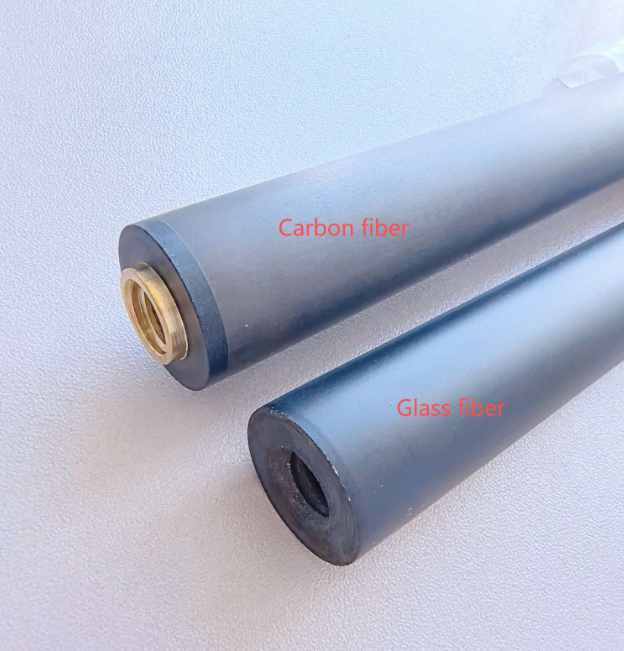
So, what are you getting for $20? Usually, it’s a fiberglass tube with a carbon-look sticker wrapped around it. Inside, there’s often a cheap wooden dowel or hollow plastic. You aren’t buying performance; you’re buying a decal.
2. The “Mushy” Feel (Terrible Playability)
The reason pros pay big money for carbon shafts is energy transfer. A real carbon shaft is stiff, giving you that crisp “pop” off the tip.
Cheap imitations are the opposite. Because they’re made of flimsy fiberglass or hollow cores, they flex and wobble on impact. The result? Shots feel “mushy” or “hollow.” Your low-deflection benefits disappear, and your long-game accuracy suffers. Worse, beginners learning on these sticks often develop bad habits because the equipment lies to them about their stroke.
3. The Hidden Costs of “Cheap”
You get what you pay for. Chasing dirt-cheap prices inevitably leads to quality failures. Once those defects hit the market, the flood of returns will destroy your brand reputation. Think about it: with a factory cost capped at just $20, the materials and components used in that cue can only be subpar. There’s simply no room for quality at that price point.
tips:If you’re working with a tighter budget, consider a hybrid cue—one that features a carbon fiber shaft or butt. These typically run around $120 and offer a great balance of performance and value. However, if you’re set on a full-carbon fiber cue, expect to invest closer to $200. That’s the realistic baseline for authentic, all-carbon construction.
Here’s a pro tip to verify what you’re buying: Give it a tap. A genuine carbon fiber shaft produces a sharp, crisp “ping.” If the sound is dull and thuddy, you’re likely holding low-grade fiberglass, not carbon.