
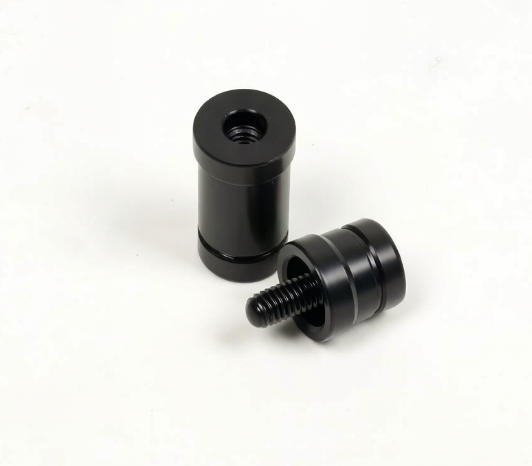
Have you ever considered the true utility of a mid-joint protector? Today, let’s delve into why this often-overlooked accessory is indispensable for any serious billiards player.
When purchasing a two-piece or three-piece cue—particularly high-end or branded models—you’ll often find yourself unscrewing the protector to assemble the shaft and butt before taking a test shot. The mid-joint (the interface connecting the shaft to the butt) is the linchpin of the cue. The mid-joint protector, therefore, serves as its dedicated guard. Its functions are fourfold:
- Preventing Wear and TearOnce disassembled for storage, the joint is vulnerable to external friction or knocks. Such impacts can loosen the threading, compromising the seamless fit between sections. The protector acts as a shield, preserving the integrity of the connection.
- Ensuring Optimal Power TransferEven minor damage to the joint can disrupt the cue’s overall energy transference. By safeguarding the precision of the joint, the protector ensures that the kinetic energy flows smoothly from your hand to the tip without any loss.
- Maintaining Structural StabilityWhen a pool cue is stored in separate pieces for extended periods, the tenon of the shaft (or the pin of the joint) can be susceptible to environmental factors leading to warping. The protector mitigates this risk, helping to maintain the structural equilibrium of the pool cue.
- Preserving CleanlinessIt keeps dust and debris from infiltrating the joint threads. This ensures not only a clean assembly but also allows for smooth screwing and unscrewing over time.